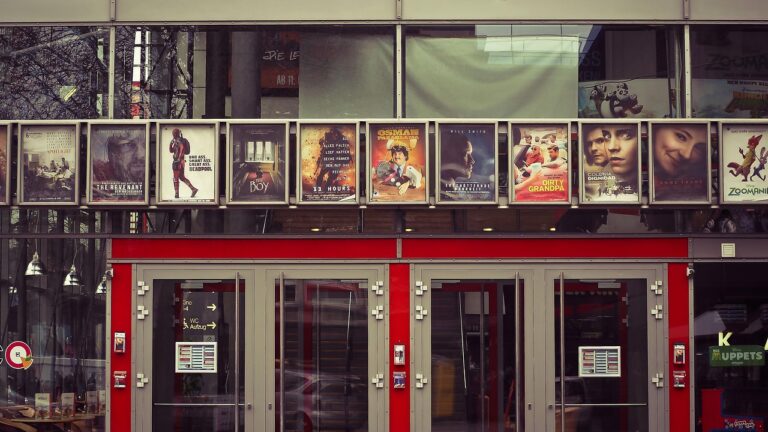
Film festivals serve as the beating heart of the global cinema industry, acting as vital ecosystems where art, commerce, and culture collide. Whether you are an aspiring filmmaker looking to launch your career, a distributor scouting for the next blockbuster, or a cinephile eager to discover hidden gems, these events offer an unparalleled experience. From the glitz and glamour of the red carpet at Cannes to the intimate, avant-garde atmosphere of smaller regional gatherings, film festivals provide the essential bridge between creative vision and public reception.
The Significance of Film Festivals in the Modern Industry
For decades, film festivals have functioned as the primary gatekeepers of cinematic quality. They are not merely parties for industry insiders; they are high-stakes marketplaces that determine the trajectory of a film’s commercial and critical success.
Marketplace and Distribution
Most films do not find distributors on their own; they need a stamp of approval from a prestigious festival. Festivals act as a launchpad, providing the visibility necessary for acquisition executives to take notice.
- Acquisition Opportunities: Festivals like Sundance and TIFF are famous for bidding wars, where streamers like Netflix and Amazon fight for rights.
- Publicity Boost: An award win or a positive critical reception at a festival serves as a powerful marketing tool for future theatrical releases.
Cultural and Social Impact
Beyond the business side, film festivals promote cultural exchange. They allow audiences to witness narratives from different corners of the world, fostering empathy and cross-cultural understanding.
Actionable Takeaway: If you are attending a festival, prioritize seeing films from countries or cultures you are unfamiliar with to broaden your cinematic perspective.
Navigating the Festival Circuit as a Filmmaker
For independent filmmakers, getting a film selected is often the culmination of years of hard work. However, the festival circuit is notoriously competitive, requiring a strategic approach to submission and participation.
Selecting the Right Venue
Not every film is a fit for every festival. Aligning your film’s genre, budget, and target audience with the specific “vibe” of a festival is crucial.
- Tier 1 Festivals (Cannes, Venice, Berlin): Best for high-budget, star-studded, or highly prestigious auteur films.
- Genre-Specific Festivals: If you have a horror or sci-fi project, festivals like Sitges or Fantastic Fest are far more valuable than generalist festivals.
- Regional Festivals: Often the best places for networking and building a local fan base.
Submission Strategies
Use platforms like FilmFreeway to manage your submissions. Always ensure your press kit is professional, including a high-quality electronic press kit (EPK), production stills, and a compelling logline.
The Attendee Experience: How to Make the Most of Your Time
Attending a festival can be overwhelming due to the sheer volume of screenings and events. A successful attendee knows that preparation is the key to maximizing the experience.
Building a Balanced Schedule
It is tempting to try and watch four films a day, but this often leads to “festival fatigue.” A balanced schedule should look like this:
- Morning: Attend industry workshops or panel discussions.
- Afternoon: Two primary screenings with time for breaks in between.
- Evening: Networking mixers or Q&A sessions with filmmakers.
Networking Best Practices
Networking is the “hidden” benefit of attending. Many deals are made in coffee shops and hotel lobbies rather than inside the screening room.
- Carry business cards or have a digital contact sharing method ready.
- Attend Q&A sessions and ask thoughtful questions to get noticed by the creative team.
- Be approachable—everyone is there to discuss their love for film.
Trends Shaping the Future of Film Festivals
The film festival landscape is currently undergoing a digital transformation. From virtual screenings to hybrid models, the way we engage with festivals is changing rapidly.
The Rise of Hybrid Festivals
Post-pandemic, many festivals have retained an online component. This democratization allows people who cannot travel to still participate in premieres and industry events.
Emphasis on Diversity and Inclusion
Modern festivals are increasingly prioritizing diversity. Many organizations, such as the Toronto International Film Festival (TIFF), have implemented specific initiatives to highlight underrepresented voices in front of and behind the camera.
Practical Tip: Keep an eye on festival programs that specifically celebrate indigenous cinema, women directors, or LGBTQ+ narratives, as these sections often hold the most innovative storytelling.
Conclusion
Film festivals remain the most essential component of the cinematic arts. Whether you are an industry professional seeking the next big project, or a film enthusiast looking to immerse yourself in the world of independent storytelling, these events provide a unique, electrifying experience that streaming platforms simply cannot replicate. By understanding the ecosystem of these festivals, preparing strategically, and engaging fully with the community, you can turn a simple trip to the movies into a transformative professional or personal experience. As the industry evolves, the core mission of the film festival—to champion the human experience through the lens of a camera—will undoubtedly continue to endure.