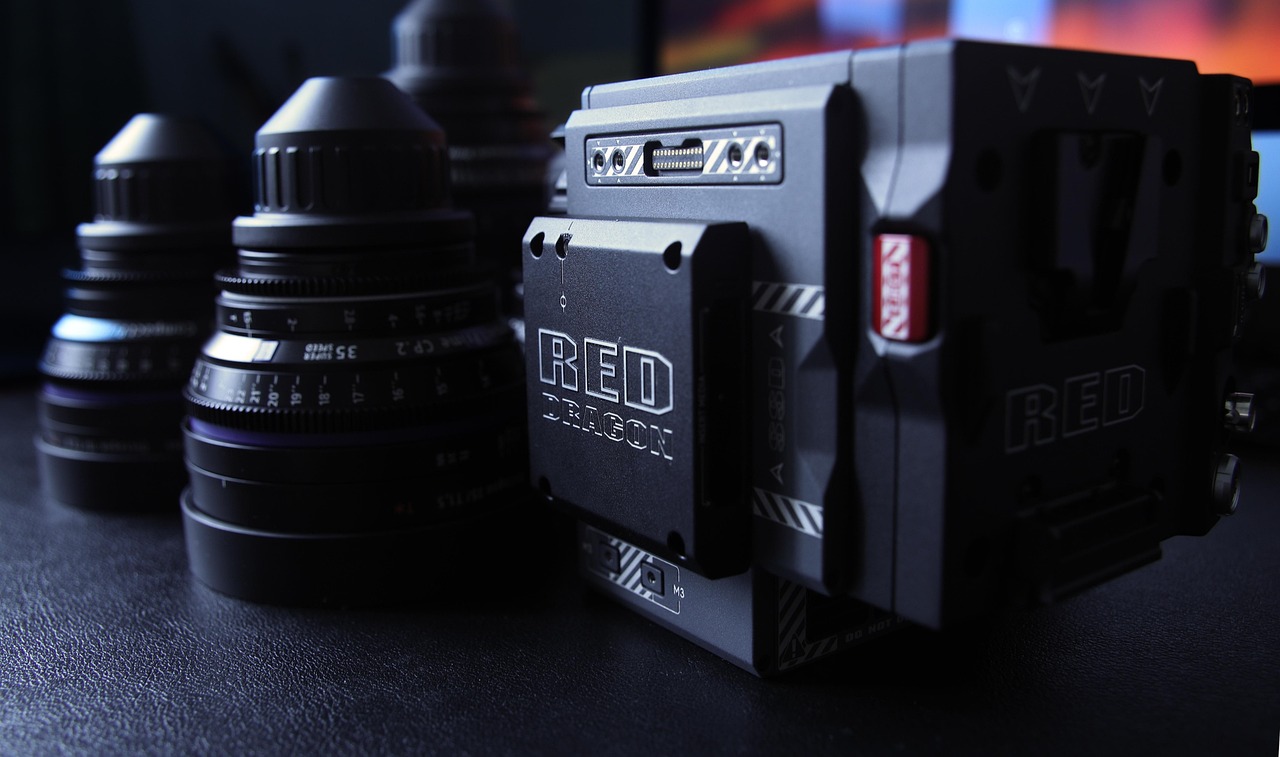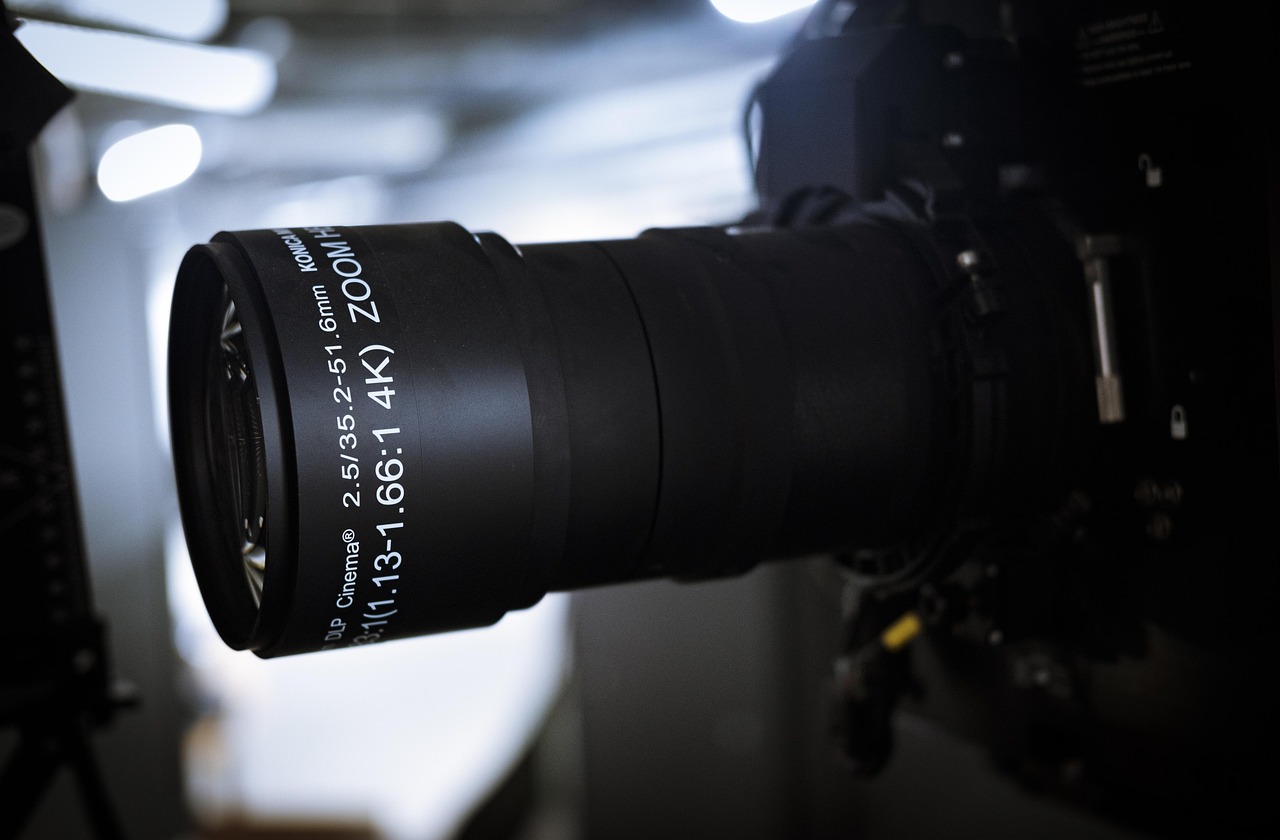
The magic of cinema is rarely the result of a single moment of inspiration; rather, it is the product of a rigorous, highly collaborative, and meticulously structured process known as film production. Whether you are aiming to produce a high-budget feature film, a commercial advertisement, or compelling digital content, understanding the workflow is essential for transforming a script into a visual masterpiece. In this guide, we explore the lifecycle of a film, providing insights that bridge the gap between creative vision and technical execution.
Development: The Foundation of Success
Every successful project begins in the development phase, where ideas are refined and the business logistics are established. This is the most crucial stage for setting the trajectory of your production.
Scriptwriting and Storyboarding
The screenplay serves as the blueprint for the entire project. During this phase, writers iterate on drafts while creative teams begin storyboarding—the process of visually mapping out shots to ensure a clear narrative flow.
- Refining the narrative: Ensure character arcs are compelling and dialogue is natural.
- Visual planning: Use software like Adobe Story or Final Draft to organize scenes.
- Shot lists: Define the technical requirements for every scene before moving to production.
Securing Budget and Rights
Without adequate funding, the best script remains a concept. Producers must secure financing, which often involves pitch decks, budget breakdowns, and legal clearances for intellectual property.
Pre-Production: Preparation is Key
Pre-production is where the “heavy lifting” happens. Statistics suggest that for every dollar spent in pre-production, you save three dollars during the actual shoot.
Logistics and Crew Assembly
Hiring the right talent is paramount. You need a team that understands your vision and works well under pressure.
- Department Heads: Hire your Cinematographer (DP), Production Designer, and Sound Mixer early.
- Casting: Use platforms like Casting Networks to find actors who fit your specific character profiles.
- Location Scouting: Always photograph locations at the same time of day you intend to film to track lighting patterns.
Scheduling and Call Sheets
Creating a production schedule is a complex puzzle. You must balance actor availability, location permits, and equipment rentals to minimize downtime.
Production: Where the Vision Comes to Life
Often referred to as “Principal Photography,” this is the phase where you are actively capturing the footage. Success here relies on effective communication and disciplined time management.
Managing the Set
A professional film set operates like a well-oiled machine. Maintaining a calm, focused environment is the responsibility of the Assistant Director (AD).
- Safety first: Always conduct a safety meeting before starting work with stunts or pyrotechnics.
- Clear communication: Use standardized protocols (e.g., “Quiet on set,” “Rolling,” “Cut”).
- Data management: Ensure your Digital Imaging Technician (DIT) is backing up footage on multiple drives immediately after every take.
Technical Execution
This includes lighting setups, camera movement, and sound recording. Pro tip: Always prioritize high-quality audio over visuals; audiences will forgive a grainy image, but they will rarely tolerate poor sound.
Post-Production: Shaping the Final Narrative
Post-production is where the film is truly “written” for the second time. Through editing, color grading, and sound design, you refine the raw footage into a cohesive story.
Editing and Color Grading
The editor selects the best takes to build the pacing and rhythm of the film. Once the “picture lock” is achieved, the colorist enhances the footage to create a consistent visual mood.
- The Rough Cut: Focus on story flow rather than perfect transitions.
- Color Correction: Fix technical inconsistencies in exposure and white balance.
- Color Grading: Apply a stylistic look that supports the genre of the film.
Sound Design and Music
Sound is often 50% of the cinematic experience. Integrating foley, ambient background noise, and a well-composed soundtrack creates immersion.
Conclusion
Mastering the art of film production requires a delicate balance of creativity and project management. By treating the development, pre-production, production, and post-production phases as distinct but interconnected pillars, you can navigate the complexities of filmmaking with confidence. Remember that every great production is a team effort; when you prioritize communication, thorough planning, and technical discipline, you turn the complex chaos of a film set into a seamless process of artistic creation. Use these guidelines to structure your next project, and you will be well on your way to delivering a professional-grade final product.