In the fast-paced world of modern wellness, cardiovascular health remains the cornerstone of a long, vibrant life. Often referred to simply as “cardio,” aerobic exercise is more than just a way to burn calories; it is a vital practice that strengthens your heart, improves lung capacity, and optimizes your metabolic function. Whether you are a beginner looking to improve your stamina or a seasoned athlete aiming for peak performance, understanding how to structure an effective cardio regimen is the key to unlocking sustainable health benefits.
The Science and Benefits of Cardiovascular Training
Why Your Heart Needs Cardio
Cardiovascular exercise, or aerobic activity, involves rhythmic movements that increase your heart rate and breathing for a sustained period. According to the American Heart Association, adults should aim for at least 150 minutes of moderate-intensity aerobic activity per week to significantly lower the risk of chronic conditions like heart disease, stroke, and type 2 diabetes.
Key Physiological Advantages
- Enhanced Heart Efficiency: Regular training increases the stroke volume of your heart, allowing it to pump more blood with every beat.
- Improved Metabolic Health: Cardio helps stabilize blood sugar levels and improves insulin sensitivity.
- Mental Well-being: Aerobic exercise triggers the release of endorphins, often referred to as “runner’s high,” which reduces stress and anxiety.
- Increased Lung Capacity: Your respiratory system becomes more efficient at extracting and utilizing oxygen.
Choosing the Right Type of Cardio
Low-Intensity Steady State (LISS)
LISS cardio involves maintaining a low, consistent intensity for a longer duration, typically 45–60 minutes. This is ideal for recovery days or for individuals just beginning their fitness journey.
- Walking at a brisk pace
- Leisurely cycling
- Swimming laps at a moderate speed
High-Intensity Interval Training (HIIT)
HIIT involves short bursts of near-maximal effort followed by brief periods of active recovery. It is highly efficient for those with limited time.
Example Routine: Sprint for 30 seconds, then walk for 60 seconds. Repeat for 15–20 minutes.
Building a Sustainable Cardio Routine
The Principle of Progressive Overload
Just like strength training, your cardiovascular fitness requires progressive overload. To see consistent improvements, you must gradually increase the difficulty of your workouts over time. You can do this by:
- Increasing the duration of your sessions by 5–10% each week.
- Increasing the intensity (e.g., adding incline to a treadmill or increasing resistance on a bike).
- Reducing rest time during interval workouts.
The Importance of Consistency
Consistency trumps intensity. It is far more effective to commit to three 30-minute sessions per week for an entire year than to train intensely for one month and burn out. Use a fitness tracker or a simple log to monitor your progress and stay accountable.
Nutrition and Recovery for Cardio Athletes
Fueling Your Performance
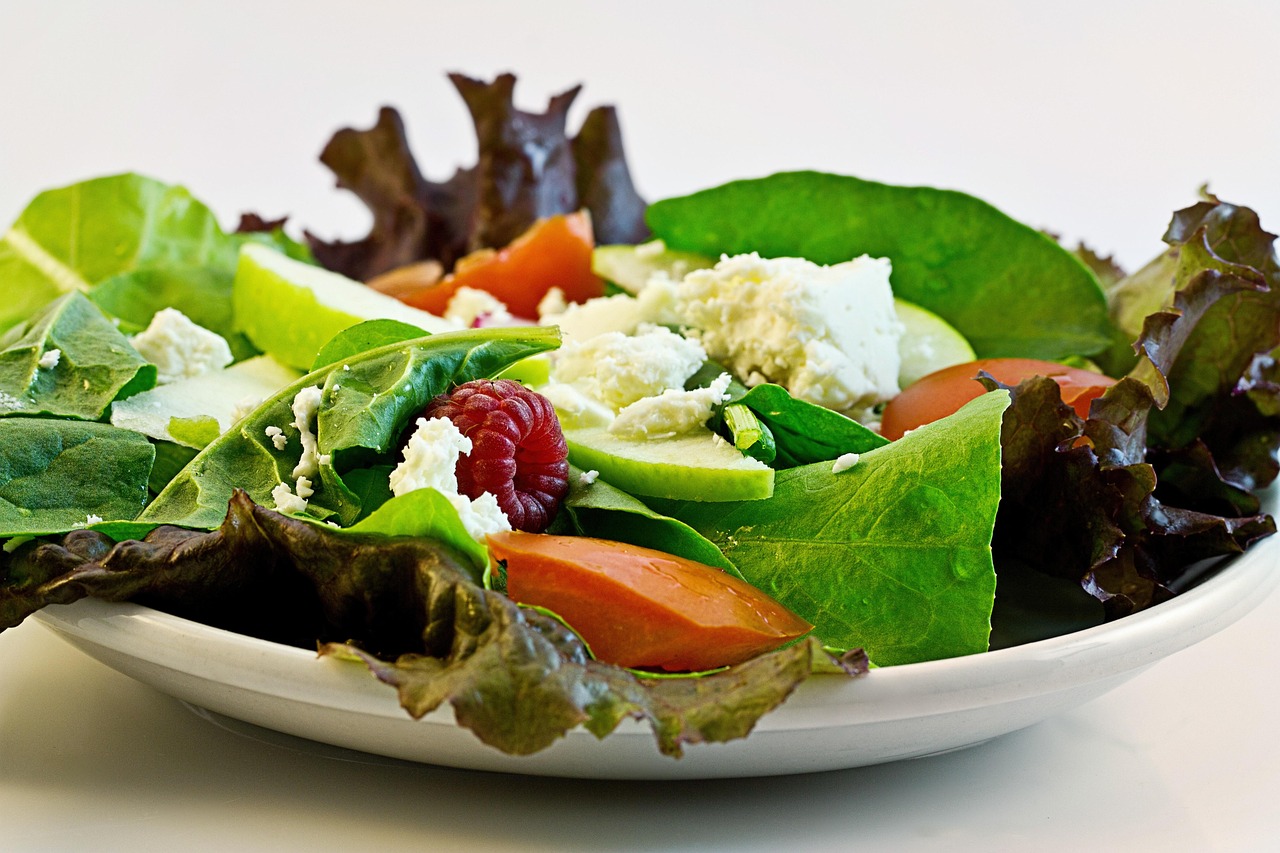
Your body requires specific nutrients to power through endurance activities. Focus on:
- Complex Carbohydrates: These provide a steady release of glucose, which is the primary fuel source for aerobic activity.
- Hydration: Replace electrolytes lost through sweat to prevent cramping and fatigue.
- Protein Intake: Essential for repairing muscle tissue after high-intensity bouts.
Prioritizing Rest
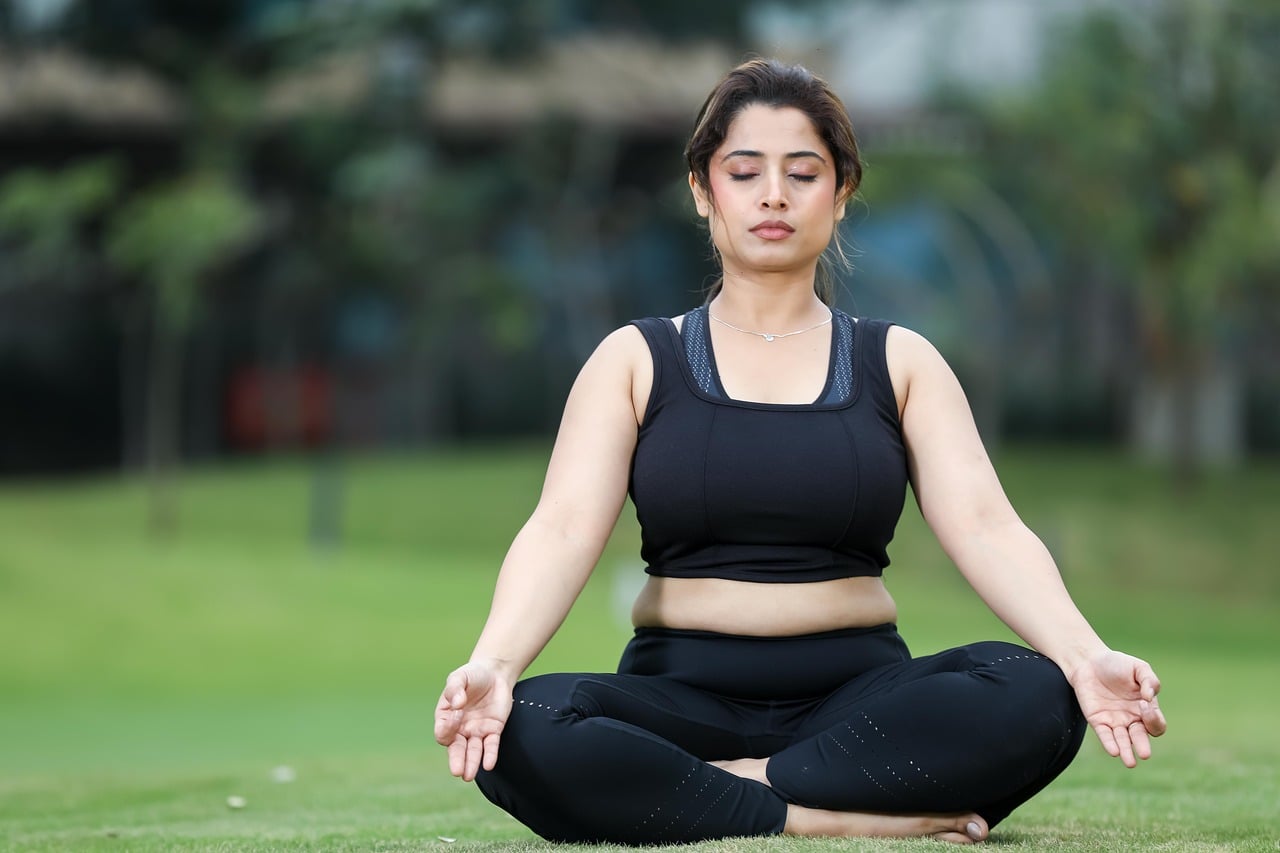
Overtraining can lead to decreased performance and injury. Aim for at least one to two days of active recovery per week, where you engage in light stretching or yoga to promote blood flow and tissue repair.
Conclusion
Cardiovascular health is a lifelong journey, not a destination. By incorporating a variety of aerobic exercises—ranging from steady-state walking to challenging interval training—you can significantly improve your quality of life, boost your mood, and protect your heart for years to come. Remember that the best cardio workout is the one you enjoy enough to perform consistently. Start where you are, listen to your body, and embrace the process of becoming a stronger, healthier version of yourself.