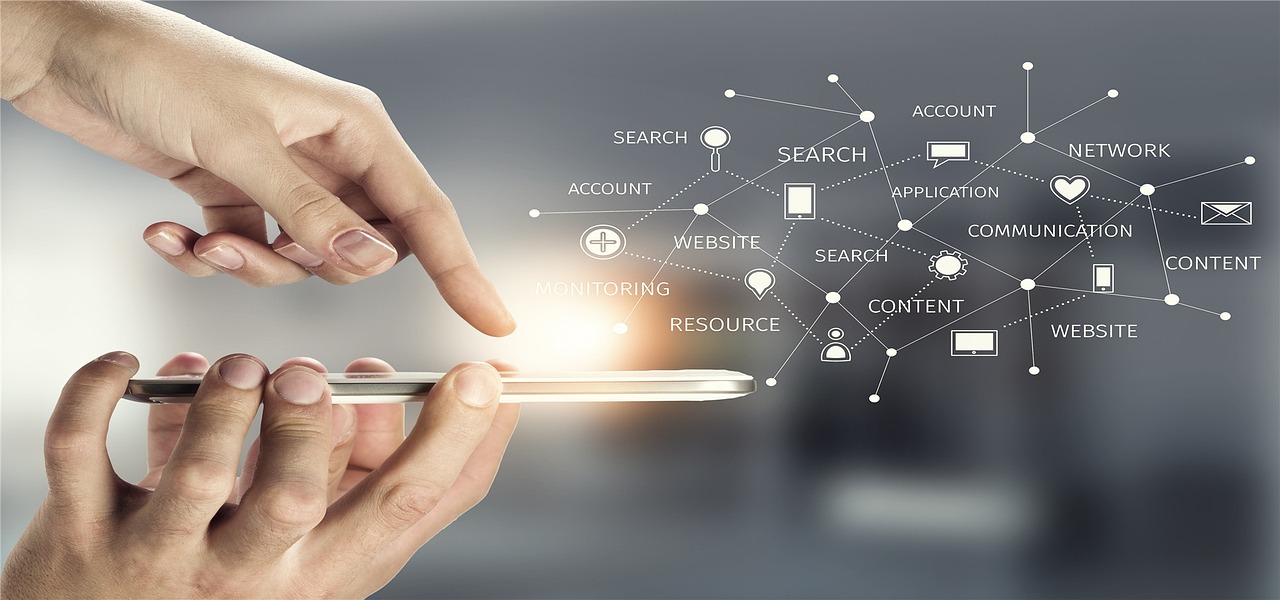
The landscape of consumer electronics is evolving at a breakneck pace, fundamentally reshaping how we work, communicate, and entertain ourselves. From the palm-sized supercomputers we call smartphones to the sophisticated artificial intelligence integrated into our home appliances, technology has transitioned from a luxury to an essential utility. Navigating this vast market can be daunting, but understanding the core pillars of modern electronics allows consumers and tech enthusiasts alike to make smarter, more sustainable purchasing decisions that enhance their daily quality of life.
The Evolution of Smart Home Technology
The modern smart home is no longer just a collection of gadgets; it is an interconnected ecosystem designed for efficiency, security, and convenience. According to recent industry reports, the global smart home market is expected to surpass $200 billion by 2027, driven by advancements in IoT (Internet of Things) connectivity.
Essential Smart Devices for Beginners
If you are looking to build a smarter home, starting with these foundational devices provides the most immediate return on investment:
- Smart Lighting: Systems like Philips Hue allow you to automate schedules and adjust color temperatures to improve circadian rhythms.
- Smart Thermostats: Devices like the Nest Learning Thermostat can reduce energy bills by up to 15% by learning your heating and cooling habits.
- Voice Assistants: Smart speakers serve as the central hub, allowing you to control other devices using simple voice commands.
Security and Connectivity Tips
To ensure your network remains secure, always change default passwords on new electronics and use a dedicated VLAN (Virtual Local Area Network) for your IoT devices to prevent unauthorized access to your main computer network.
Navigating the Smartphone and Tablet Market
Smartphones have effectively replaced cameras, GPS units, and portable media players. With flagship devices receiving support for up to seven years of software updates, selecting the right device is a long-term commitment to a digital platform.
Factors to Consider Before Buying
- Operating System Ecosystem: Choosing between iOS and Android often comes down to how well your device integrates with your current laptop or tablet.
- Camera Specifications: Look beyond “megapixels.” Consider sensor size, aperture, and image stabilization software for better low-light performance.
- Display Technology: OLED screens offer superior contrast and deeper blacks compared to standard LCD panels, providing a better viewing experience for media consumption.
Extending the Lifespan of Your Mobile Device
To keep your device running at peak performance, avoid keeping your battery charged at 100% at all times. Modern lithium-ion batteries thrive when kept between 20% and 80% charge. Additionally, utilizing cloud storage can prevent your local storage from becoming fragmented, keeping the system interface snappy.
The Future of Wearable Electronics
Wearables have moved beyond simple step-counting. Today, these devices serve as vital health monitors that can detect arrhythmias, track blood oxygen levels, and even monitor stress through skin conductance sensors.
Health and Productivity Benefits
- Real-time Health Data: Access to personalized metrics like Resting Heart Rate (RHR) and Heart Rate Variability (HRV) helps in monitoring recovery from exercise.
- Seamless Notifications: Wearables filter out the “noise,” allowing you to prioritize urgent messages without pulling out your phone.
- Fitness Tracking: Advanced GPS and multisport tracking modes provide detailed insights for athletes looking to break personal records.
Practical Application for Professionals
For high-pressure environments, use your wearable to track your “stress score.” When your device notifies you of a spike in heart rate during a busy workday, practice a two-minute deep breathing exercise to reset your focus.
Sustainable Electronics and E-Waste Management
As the production of electronics increases, so does the responsibility to manage them sustainably. Electronic waste (e-waste) is the fastest-growing waste stream globally, but proactive consumer habits can mitigate this impact.
The Importance of Repairability
When purchasing electronics, prioritize brands that offer modular designs or documented repair manuals. Repairing a device—or upgrading components like RAM and SSDs—is significantly more environmentally friendly than discarding old tech.
How to Recycle Responsibly
- Manufacturer Take-Back Programs: Many major companies like Apple and Samsung offer recycling programs for old devices.
- Certified E-Waste Centers: Ensure your local recycler is R2 or e-Stewards certified to guarantee that hazardous components like mercury and lead are handled safely.
- Donation: Electronics that are still functional but outdated for your needs can often be donated to schools or non-profit organizations.
Conclusion
The world of electronics is moving faster than ever, but the key to staying ahead lies in intentional consumption. By focusing on how smart devices can streamline your environment, maintaining your current hardware with proper battery care, and committing to sustainable recycling practices, you can build a high-tech lifestyle that is both efficient and responsible. Whether you are upgrading your smartphone or building a full smart home ecosystem, always prioritize functionality and longevity over the latest trends. With the right knowledge, your electronic devices will serve as powerful tools to enhance your daily productivity and personal well-being for years to come.