There is an undeniable magic in the way romance movies capture the human experience. Whether it is the breathless anticipation of a first kiss, the heartbreak of a long-distance goodbye, or the comfort of a “happily ever after,” these films serve as a mirror to our own desires and vulnerabilities. Far from being mere escapism, the best romance films explore complex themes of intimacy, personal growth, and the transformative power of connection. In this guide, we dive deep into the world of cinematic love stories, exploring why we love them, how they have evolved, and how to find the perfect film for your next movie night.
The Evolution of Romance in Cinema
From Classic Hollywood to Modern Complexity
The genre of romantic cinema has undergone a massive transformation over the last century. In the Golden Age of Hollywood, romance was often defined by sweeping orchestral scores, grand gestures, and clear-cut morality. Films like Casablanca set the standard for the “star-crossed lovers” trope that defined the mid-20th century.
- The Golden Age: Focused on idealism and dramatic sacrifice.
- The 90s Rom-Com Boom: Introduced the “meet-cute” and the witty banter that defined a generation.
- Modern Realism: Contemporary films often prioritize emotional authenticity over perfect endings.
The Rise of Global Storytelling
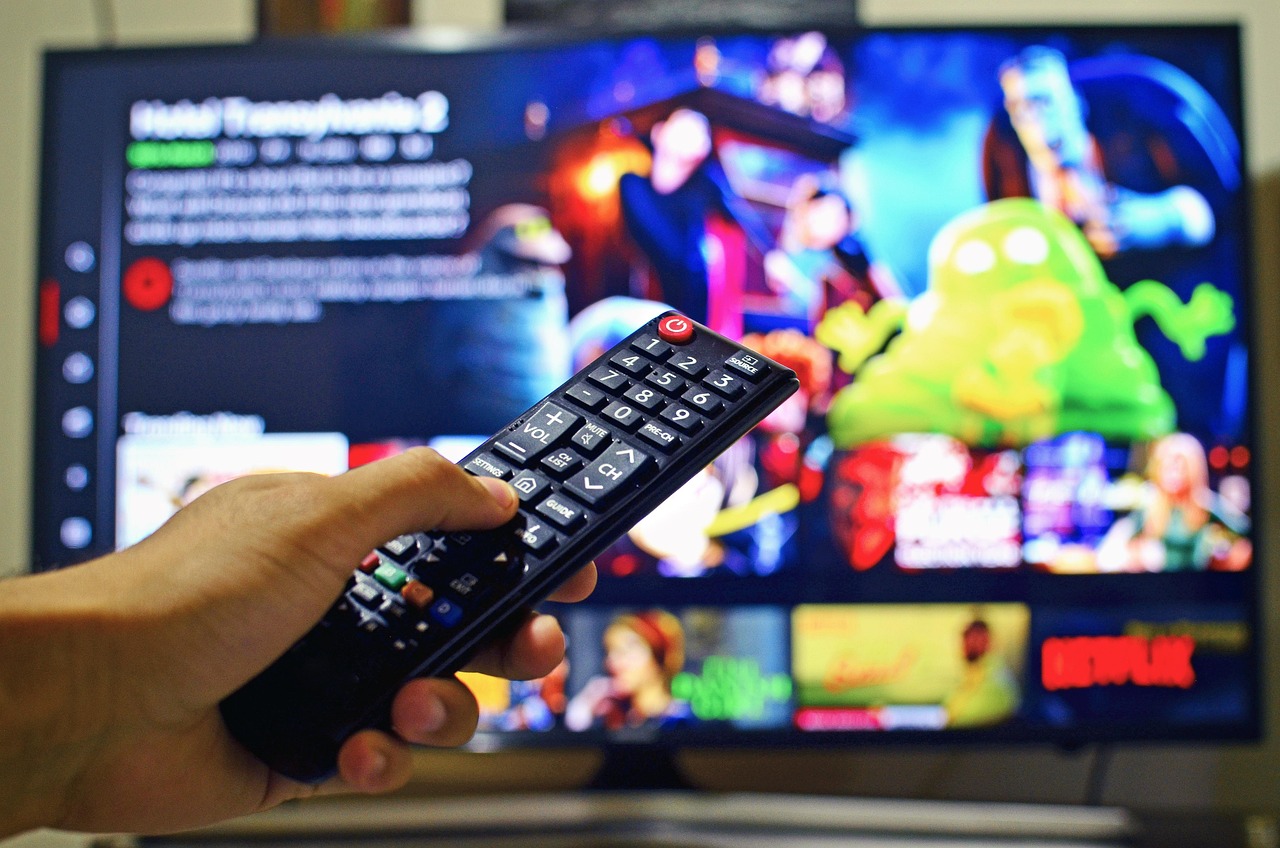
Today, romance is a global language. Platforms like Netflix and international film festivals have brought foreign-language romance films to the forefront. These stories often bring unique cultural nuances to the universal theme of love, demonstrating that while the setting may change, the emotional core remains the same.
Why We Are Drawn to Romance Movies
The Psychology of Emotional Resonance
Research suggests that watching romance movies can trigger the release of oxytocin, the “bonding hormone,” which helps explain why we feel a sense of comfort when viewing these films. Romance movies provide a safe space to experience the full spectrum of emotions, from the highs of initial attraction to the lows of conflict, all within a controlled, 90-minute format.
Escapism and Emotional Catharsis
Life can be stressful, and the structure of a romance film offers a predictable yet satisfying arc. Key benefits of consuming the genre include:
- Stress Reduction: Provides an immersive distraction from daily anxieties.
- Empathy Building: Allows viewers to practice perspective-taking by walking in the characters’ shoes.
- Inspiration: Encourages viewers to appreciate their own relationships or value self-love.
Sub-Genres: Finding Your Perfect Match
The Classic Rom-Com
The Romantic Comedy is the backbone of the genre. These films rely on chemistry, humor, and a lighthearted approach to the challenges of finding love.
Practical Example: If you love witty dialogue and urban settings, films like When Harry Met Sally are essential viewing.
The Tear-Jerking Period Drama
If you prefer sweeping cinematography and historical context, period romances are your best bet. These films focus on the societal constraints that prevent lovers from being together.
- Key elements: Elaborate costumes, forbidden love, and lingering glances.
- Must-watch: Pride & Prejudice (2005) or Atonement.
Key Elements of a Great Romance Film
The Importance of On-Screen Chemistry
The success of a romance movie rests almost entirely on the lead actors. When the chemistry is palpable, the audience is willing to overlook minor plot holes. Look for films where the leads have natural, unforced interactions—this is what makes the “will-they-won’t-they” tension believable.
Thoughtful Screenwriting and Pacing
A great script doesn’t just focus on the romance; it focuses on the characters’ individual growth. The most memorable films feature:
- Defined character arcs: Each character should be different by the end of the film.
- Low-stakes vs. High-stakes conflict: Whether it’s a fight over a misunderstanding or a life-altering decision, the conflict must feel earned.
- Satisfying resolution: Whether happy or bittersweet, the ending must provide emotional closure.
How to Choose Your Next Movie Night Feature
Filtering by Mood
Not every romance movie is suitable for every occasion. To choose the right film, consider your current mood:
- Feeling down? Opt for a “comfort” movie like The Holiday or 13 Going on 30.
- Seeking deep conversation? Choose an indie drama like Before Sunrise, which focuses entirely on dialogue.
- Ready for a good cry? Queue up The Notebook or The Fault in Our Stars.
Actionable Tips for Viewers
To get the most out of your romance movie experience, try these tips:
- Watch with a partner or friend: Romance movies are excellent conversation starters about personal values and relationship expectations.
- Explore the “hidden gems”: Look beyond the top 10 on streaming platforms; often, the best stories are found in independent festival selections.
Conclusion
Romance movies hold a unique and cherished place in cinema history. They are more than just stories about couples; they are explorations of the human heart, testing the limits of loyalty, sacrifice, and growth. Whether you are a fan of the lighthearted tropes of the classic rom-com or the intense emotional depth of a period drama, there is a love story out there that will resonate with you. By understanding the elements that make these films work—the chemistry, the pacing, and the emotional stakes—you can better appreciate the artistry behind the genre and find films that truly touch your soul.