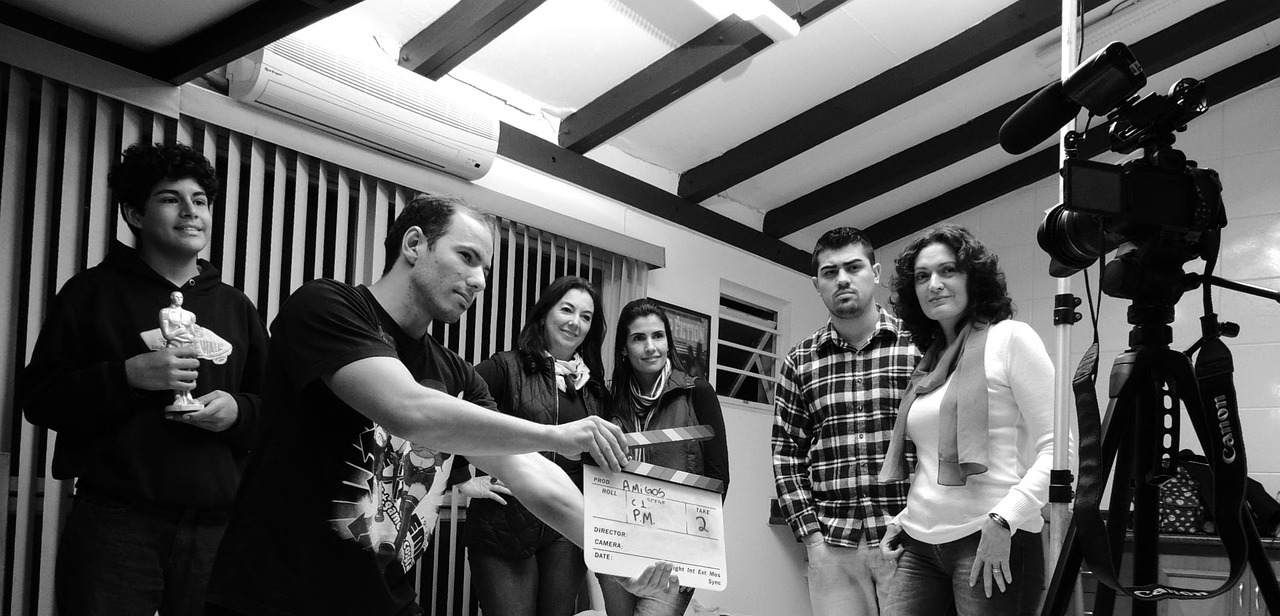
The journey from a blank script page to the glowing pixels of a cinema screen is a complex, high-stakes endeavor that blends artistic vision with rigorous logistics. Film production is the backbone of the entertainment industry, transforming creative concepts into visual experiences that resonate globally. Whether you are an aspiring filmmaker, a corporate content producer, or a student of the craft, understanding the structured phases of production is essential for managing budgets, timelines, and creative integrity. In this guide, we break down the life cycle of a film project and provide actionable insights to ensure your production runs smoothly from start to finish.
The Pre-Production Phase: Blueprinting Success
Pre-production is arguably the most important stage of the entire process. Statistics consistently show that for every hour spent in thorough preparation, you save at least three hours of chaotic problem-solving on set. This is where the foundation of your film is laid.
Key Elements of Development
- Script Breakdown: Identifying every prop, location, costume, and character requirement.
- Budgeting and Scheduling: Creating a realistic financial roadmap and a day-by-day shooting calendar.
- Casting and Crewing: Hiring key department heads and talent who align with your creative vision.
Practical Tips for Pre-Production
Create a Master Production Binder that contains the shooting script, call sheets, and contact lists. Use digital project management tools like StudioBinder or Celtx to keep remote team members synchronized in real-time. Always perform a “technical scout” at your locations to identify lighting and power constraints before the crew arrives.
Principal Photography: Where the Magic Happens
Principal photography is the period when the cameras are rolling and the scenes are captured. It is an intense, fast-paced environment where the pressure to stay on schedule is paramount. Successful production relies on clear communication between the Director, the Director of Photography (DP), and the Assistant Director (AD).
Maintaining Set Efficiency
- The 10-Minute Rule: Encourage your AD to keep the set moving; efficiency reduces overtime costs, which can account for up to 15% of an overrun budget.
- On-Set Communication: Utilize a clear hierarchy so the crew knows who to approach with technical or creative concerns.
- Data Management: Ensure the Digital Imaging Technician (DIT) is backing up footage on multiple drives immediately after a take is “in the can.”
Example of Workflow Management
Consider the “Block, Light, Rehearse, Shoot” method. By blocking the scene with actors first, the lighting crew knows exactly where to place equipment, which prevents the lighting team from wasting hours illuminating areas the camera will never see.
Post-Production: The Final Polish
Post-production is where the narrative truly takes shape. It is a transformative process that combines raw footage, sound design, color grading, and visual effects (VFX) to create a cohesive story.
The Core Post-Production Workflow
- Offline Editing: Focusing on the story structure, pacing, and emotional arc of the narrative.
- Sound Design and Mixing: Adding foley, ambient noise, and dialogue cleanup, which are often cited as 50% of the audience’s emotional experience.
- Color Grading: Using color palettes to establish the mood and visual tone of the film.
Actionable Takeaway
Always maintain a version control system for your edit files. Label your projects clearly (e.g., “ProjectName_EditorInitials_Date_VersionNumber”) to avoid the common mistake of overwriting a file that had the perfect cut.
Budgeting and Financial Management
Even the most creative films can fail due to poor financial oversight. Film production involves hidden costs that can quickly drain a budget if they aren’t accounted for during the planning stage.
Understanding Production Costs
- Above-the-Line Costs: Payments for the screenwriter, producer, director, and lead actors.
- Below-the-Line Costs: The physical production costs, including crew salaries, equipment rentals, catering, and location fees.
- Contingency Fund: Always set aside 10% to 15% of your total budget for “unexpected expenses” such as weather delays or equipment failure.
Best Practice for Expense Tracking
Use industry-standard software like Movie Magic Budgeting to track line-item expenses. If you are operating on a micro-budget, maintain a cloud-based spreadsheet that the producer and accountant can access to ensure no single department overspends their allotted share.
Conclusion
Film production is a multifaceted discipline that requires a delicate balance between technical precision and artistic intuition. By mastering the stages of pre-production, principal photography, and post-production, you can mitigate risks and enhance the creative quality of your project. Remember that every successful film is the result of clear communication, rigorous preparation, and an unwavering commitment to the story. Whether you are producing a short film or a feature-length project, treat each phase with the respect it deserves, and your final output will undoubtedly reflect that dedication. Now that you have the framework, the next step is to start planning—the screen is waiting.